


Products Description
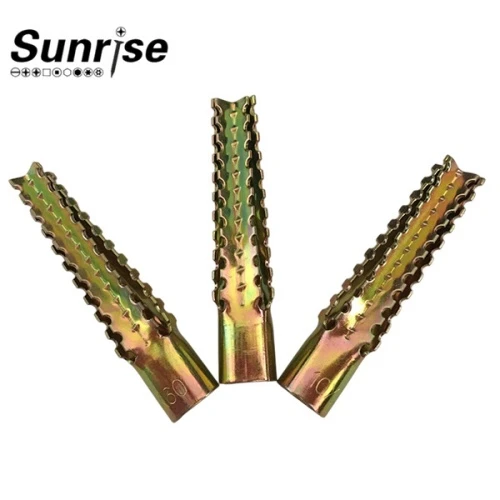
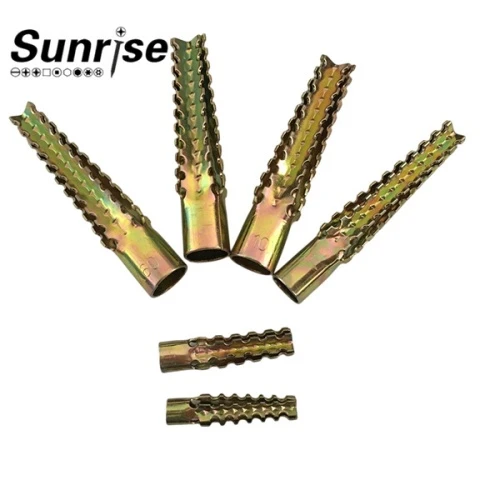
Gas Concrete Anchors are specially designed fasteners used for securing materials to gas concrete (also known as aerated concrete or AAC – Autoclaved Aerated Concrete). These anchors provide a strong and reliable solution for fixing fixtures, equipment, and other structures to gas concrete surfaces, offering ease of installation with exceptional performance. Gas Concrete Anchors are particularly effective for applications where traditional expansion anchors may not be suitable due to the lighter, more porous nature of gas concrete.
These anchors feature a unique design, typically incorporating a sleeve or collar that expands or engages with the surrounding concrete when a fastening bolt or screw is inserted, creating a strong, load-bearing connection in softer, more fragile materials like gas concrete.
Technical Parameters:
Materials: High-grade carbon steel, stainless steel, or zinc-plated alloys.
Anchor Lengths: Typically available in lengths ranging from 1.5 inches (40 mm) to 4 inches (100 mm), with varying diameters (e.g., M6, M8, M10, etc.).
Tensile Strength: Generally ranges from 3 kN to 10 kN, depending on the anchor size and material used.
Shear Strength: Typically ranges from 2 kN to 8 kN.
Corrosion Resistance: Options include galvanized (for general indoor use), zinc-plated (for moderate protection), and stainless steel (for high corrosion resistance).
Hole Diameter: Designed for use in pre-drilled holes with diameters from 6 mm to 12 mm.
Installation Tool: A setting tool or screwdriver is typically used to install the anchor securely.
Temperature Resistance: Gas Concrete Anchors are suitable for temperature ranges of -20°C to +70°C, depending on material selection.
Expansion Mechanism: The anchors use either a sleeve or collar expansion system that ensures a secure and stable connection within the gas concrete.
Products Process
The production of Gas Concrete Anchors involves precise methods to ensure high performance and reliability in gas concrete applications:
Material Selection: High-quality carbon steel, stainless steel, or zinc-plated alloys are used to manufacture the anchors, providing strength, durability, and corrosion resistance. Stainless steel options are used for environments exposed to moisture or corrosive elements.
Design and Precision Machining: The anchors are designed to suit the specific characteristics of gas concrete, which is softer and more brittle than traditional concrete. The anchors are machined to tight tolerances, ensuring a perfect fit for the designated holes and efficient expansion during installation.
Surface Coating: Depending on the intended application, the anchors may undergo surface treatments such as galvanizing, zinc plating, or powder coating to enhance corrosion resistance and improve overall performance, particularly in outdoor or high-humidity environments.
Anchor Assembly: The anchors consist of a body, expansion mechanism, and often a washer or collar that secures the fixture in place. These components are assembled and tested to ensure that the anchor functions as intended in gas concrete applications.
Quality Control and Testing: Every batch of Gas Concrete Anchors undergoes extensive testing to verify their strength, durability, and performance in gas concrete. This includes load testing to ensure the anchors meet or exceed the specified pull-out resistance.
Packaging: The anchors are packaged in protective materials to prevent damage during shipping. They are available in various sizes and configurations, making them suitable for different gas concrete applications.
Products Application
Gas Concrete Anchors are widely used in various industries and construction projects where gas concrete is used as a building material. Some of the common applications include:
Construction and Structural Fixings: Secure bolts, plates, or brackets to gas concrete walls and ceilings for structural integrity or to anchor supporting beams.
HVAC Installations: For mounting HVAC equipment, pipes, and ducts to gas concrete surfaces.
Electrical and Wiring Systems: Secure electrical boxes, conduits, and other components to gas concrete walls.
Furniture and Fixture Mounting: Attach heavy furniture, cabinets, shelving units, and other fixtures securely to gas concrete.
Facade Systems: Anchoring decorative elements, awnings, or safety barriers to gas concrete facades.
Industrial Equipment: Installing machinery, racks, and equipment in gas concrete buildings, such as warehouses or factories.
Parking Garages and Outdoor Spaces: Anchoring posts, bollards, or safety barriers in gas concrete environments.
FAQ
1. What are Gas Concrete Anchors used for?
Gas Concrete Anchors are designed specifically for securing bolts, rods, fixtures, or equipment to gas concrete (AAC) surfaces. They provide a strong, stable connection in applications where traditional expansion anchors may not work due to the porous nature of gas concrete.
2. How do Gas Concrete Anchors work?
These anchors operate by expanding against the walls of the pre-drilled hole in the gas concrete. Once a screw or bolt is inserted, the anchor sleeve expands, ensuring a secure fit within the gas concrete, creating a strong bond.
3. What installation tools do I need for Gas Concrete Anchors?
A setting tool or screwdriver is typically used to install Gas Concrete Anchors. The setting tool helps expand the anchor, ensuring it grips firmly within the gas concrete material. Be sure to choose the correct tool for the anchor size.
4. Can Gas Concrete Anchors be used in traditional concrete?
Gas Concrete Anchors are specifically designed for gas concrete (aerated concrete) due to its unique properties. For traditional concrete applications, other types of expansion anchors or concrete anchors should be used.
5. Are Gas Concrete Anchors corrosion-resistant?
Yes, Gas Concrete Anchors are available in materials such as galvanized steel, zinc-plated steel, and stainless steel, which provide varying degrees of corrosion resistance. Stainless steel options are ideal for environments exposed to moisture or harsh conditions.
6. What is the maximum load that a Gas Concrete Anchor can handle?
The load capacity varies depending on the size and material of the anchor. Generally, Gas Concrete Anchors can handle tensile loads ranging from 3 kN to 10 kN, though this can vary based on the installation conditions and anchor size.
7. How do I choose the right size Gas Concrete Anchor?
Choosing the correct size anchor depends on the hole diameter, the size of the bolt or fixture you intend to use, and the load it needs to bear. The anchor should match the pre-drilled hole diameter and length to ensure a secure fit.
8. Can Gas Concrete Anchors be used outdoors?
Yes, Gas Concrete Anchors can be used outdoors, especially if they are made from corrosion-resistant materials like stainless steel or galvanized steel. However, it is important to select the appropriate surface treatment based on the environmental conditions.
9. Are Gas Concrete Anchors easy to install?
Yes, Gas Concrete Anchors are designed for easy installation. They can be installed using a simple setting tool and require only a pre-drilled hole in the gas concrete. The expansion mechanism ensures a secure fit without the need for complex installation procedures.
10. How do I properly install Gas Concrete Anchors?
First, drill the appropriate hole size in the gas concrete using a hammer drill. Clean the hole of any dust or debris. Insert the anchor into the hole and tighten the bolt or screw to expand the anchor, ensuring it grips firmly within the gas concrete.
This comprehensive product description for Gas Concrete Anchors covers the essential details about their design, manufacturing process, technical specifications, common applications, and frequently asked questions to provide customers with a full understanding of the product.
Hot Tags: gas concrete anchor, China gas concrete anchor manufacturers, suppliers, factory, Screws and Washers Assembled, Flange Nut, Metal Mounting Bracket, Steel Open End Blind Rivets, DIN6916 WASHER, Bugle Head Drywall Screws