



Products Description
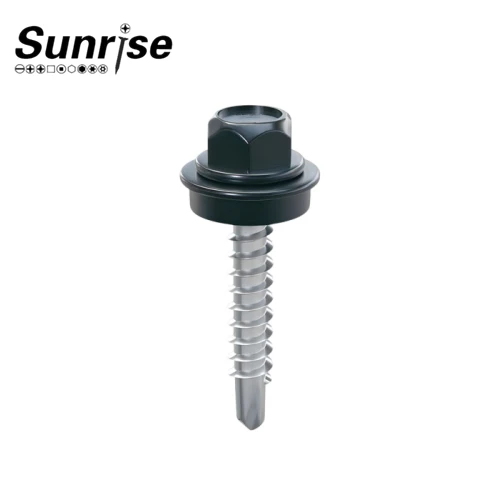
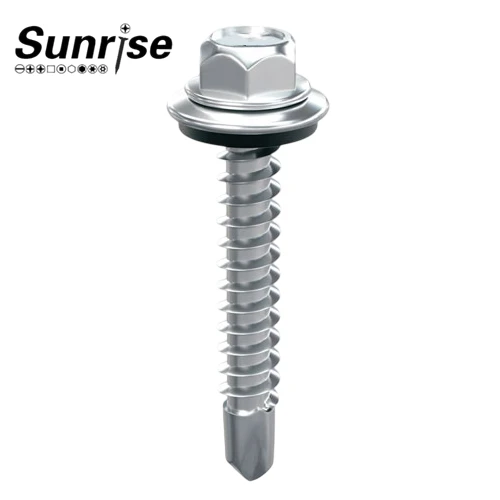
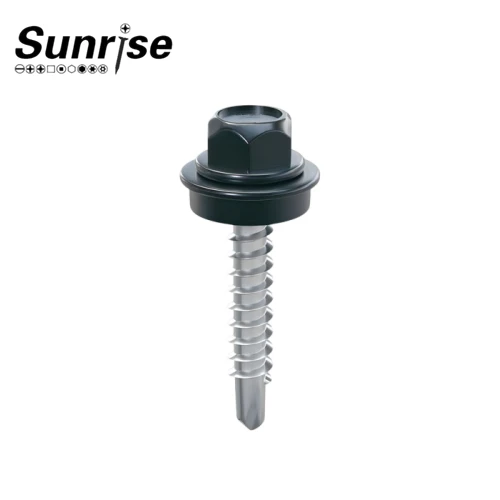
Medium Duty Hex Washer Head Self Drilling Screws are versatile and reliable fasteners engineered to meet the demands of various medium - intensity applications. The hex - shaped head, combined with a washer design, offers several advantages. The hexagonal shape provides a standard and easy - to - grip surface for tools such as wrenches, ensuring efficient tightening and loosening operations. The integrated washer increases the bearing area, which helps in evenly distributing the load and minimizing the risk of surface damage or material deformation during installation.
These self - drilling screws are designed to penetrate a wide range of materials without the need for pre - drilling in many cases. They are equipped with a sharp, hardened tip that can cut through materials like thin - gauge metals, plastics, and softwoods. The thread design is optimized for medium - duty applications, providing a secure hold once inserted. The threads are spaced and shaped to balance the requirements of easy penetration and strong fastening, ensuring that the screw remains firmly in place under normal working conditions.
Technical Parameters:
Screw Size
Medium Duty Hex Washer Head Self Drilling Screws are available in a range of sizes. Common diameters include M4, M5, M6, and M8, with lengths typically ranging from 10 - 50 mm. However, the exact size range can vary depending on the manufacturer and specific application requirements. Custom sizes may also be available upon request.
Thread Pitch
The thread pitch is designed to suit medium - duty applications. For example, a M5 screw may have a thread pitch of 0.8 mm. The pitch is carefully selected to ensure a good balance between the speed of penetration and the holding power of the screw. A coarser pitch allows for faster penetration but may sacrifice some holding strength, while a finer pitch provides greater holding power but may require more torque to install.
Material Strength
Carbon steel screws used in medium - duty applications typically have a tensile strength in the range of 4.8 - 6.8 grade. A 4.8 - grade carbon steel screw has a minimum tensile strength of 400 N/mm² and a yield strength of 320 N/mm². An upgrade to a 6.8 - grade increases the minimum tensile strength to 600 N/mm² and the yield strength to 480 N/mm². Stainless steel screws, depending on the alloy, can have a wide range of tensile strengths, with 304 stainless steel typically having a tensile strength of around 500 - 700 N/mm².
Corrosion Resistance
Carbon steel screws with zinc plating can withstand a certain level of corrosion. The salt - spray test resistance of zinc - plated carbon steel screws can range from 24 - 96 hours, depending on the thickness of the zinc coating. Stainless steel screws, especially those made of 316 alloy, offer excellent corrosion resistance and can be used in more corrosive environments such as near - coastal areas or in industrial settings with exposure to chemicals.
Products Process
Material Selection
For medium - duty applications, carbon steel is a commonly used base material. It offers a good balance between strength and cost - effectiveness. High - quality carbon steel wires are selected, with the carbon content typically ranging from 0.15% - 0.45% depending on the specific requirements of the screw's performance. In some cases, alloy steels may be used to enhance specific properties such as toughness or wear resistance. For applications where corrosion resistance is a concern, stainless steel alloys, such as 304 or 316, can be chosen.
Head Forming
The hex washer head is formed through a cold - heading process. In this method, a length of the selected wire is fed into a specialized cold - heading machine. The machine uses a series of dies to shape the wire end into the hexagonal head with an integrated washer. High - pressure forces are applied to deform the metal into the desired shape. Cold - heading not only creates a precise and consistent head shape but also improves the mechanical properties of the material by work - hardening the surface.
Thread Rolling
After the head is formed, the thread rolling process takes place. Thread - rolling machines are used to press the threads onto the shaft of the screw. These machines have specially designed dies with the inverse shape of the desired threads. As the screw blank is passed through the dies, the material is cold - worked to form the threads. This process improves the surface hardness of the threads and enhances their fatigue resistance compared to cut threads. The pitch and profile of the threads are carefully controlled to meet the specific requirements of medium - duty applications, ensuring optimal performance.
Point Grinding
The tip of the self - drilling screw is ground to a sharp, precise point. This is done using precision grinding machines. The angle of the point is carefully calculated to ensure efficient penetration into the target materials. A proper point angle allows the screw to start drilling easily and reduces the force required for penetration. The tip is also hardened to withstand the forces generated during the drilling process.
Surface Treatment
To enhance the performance and durability of the screws, various surface treatments can be applied. For carbon steel screws, zinc plating is a common option. Zinc plating provides a protective layer that helps prevent corrosion. The thickness of the zinc coating can be adjusted according to the expected service environment, with typical thicknesses ranging from 5 - 20 micrometers. For stainless steel screws, passivation may be carried out. Passivation involves treating the surface of the stainless steel to form a thin, protective oxide layer, which further improves its corrosion resistance.
Products Application
4.1 Construction
In the construction industry, these screws are used for fastening thin - gauge metal sheets, such as in the installation of metal roofing and siding. They can also be used to attach wooden components to metal frames in light - frame construction projects. The hex washer head provides a secure and stable connection, while the self - drilling feature reduces the need for pre - drilling, saving time and effort.
4.2 Automotive and Machinery
In the automotive and machinery sectors, they are used for assembling various components. For example, they can be used to attach plastic or metal covers, brackets, and panels. Their ability to self - drill into different materials makes them convenient for on - site assembly and repairs. The medium - duty strength of these screws is sufficient for many non - critical automotive and machinery applications.
4.3 Furniture and Cabinetry
For furniture and cabinetry manufacturing, these screws are useful for joining different parts. They can be used to attach wooden boards to metal or plastic fittings. The hex washer head helps prevent the wood from splitting, and the self - drilling feature allows for easy installation, especially in cases where pre - drilling may not be practical.
4.4 DIY and Home Improvement
DIY enthusiasts and homeowners often use these screws for a variety of home improvement projects. Whether it's installing shelves, hanging pictures on concrete or wooden walls, or fixing small metal or plastic items, these medium - duty self - drilling screws provide a simple and effective fastening solution.
FAQ
5.1 Can these screws be used in thick materials?
These medium - duty self - drilling screws are designed mainly for thin - to - medium - thickness materials. While they can penetrate some thicker materials, it is recommended to check the material thickness and hardness against the screw's specifications. For very thick or hard materials, pre - drilling may be necessary to avoid overloading the screw or causing damage to the driving tool.
5.2 What type of tools are best for installing these screws?
A power drill with a suitable drill bit (sized according to the screw diameter) and a screwdriver bit is the most common tool for installing these screws. For larger or more stubborn screws, an impact driver can be used as it provides more torque. Hand - held wrenches can also be used for tightening the hex - head, especially in situations where access for a power tool is limited.
5.3 Are these screws suitable for outdoor use?
Carbon steel screws with zinc plating can be used for outdoor applications in less - corrosive environments. However, in areas with high humidity, salt - air exposure (such as near the ocean), or exposure to chemicals, stainless steel screws are a better choice. Stainless steel screws offer superior corrosion resistance and can withstand harsh outdoor conditions for a longer period.
5.4 Can I reuse these screws?
In some cases, these screws can be reused. However, it depends on the condition of the screw and the material it was removed from. If the threads are damaged, or if the screw has been significantly deformed during removal, it may not provide a secure hold when reused. Additionally, if the screw was used in a material that has been weakened or damaged during the removal process, reusing the screw may not be advisable.
5.5 How do I choose the right size of these screws for my project?
Consider the thickness of the materials you are fastening together. The screw length should be long enough to penetrate both materials and still provide sufficient thread engagement for a secure hold. The diameter of the screw should be appropriate for the strength requirements of the joint. For heavier loads or more critical applications, a larger diameter screw may be needed. It's also important to check the compatibility of the screw size with the tools you will be using for installation.
Hot Tags: medium duty hex washer head self drilling screws, China medium duty hex washer head self drilling screws manufacturers, suppliers, factory, Toothed Lock Washer, Open End Blind Rivets, EPDM Washer Rubber Bonded, Precision Stamping Parts, Washer Flange Head with Spoon Point Ruspert, Cap Nut